Crawl Space Moisture Problems and Musty Smells
A musty smell in the house, damp insulation or "sweating" ducts under the floor usually point to the same thing: too much moisture in the crawl space. This guide covers where that water comes from, what you can check yourself, and who to call.
About mold: This page is general information, not medical advice. If you have health concerns, talk to a health professional. For mold cleanup, see the EPA guidance summarized below.
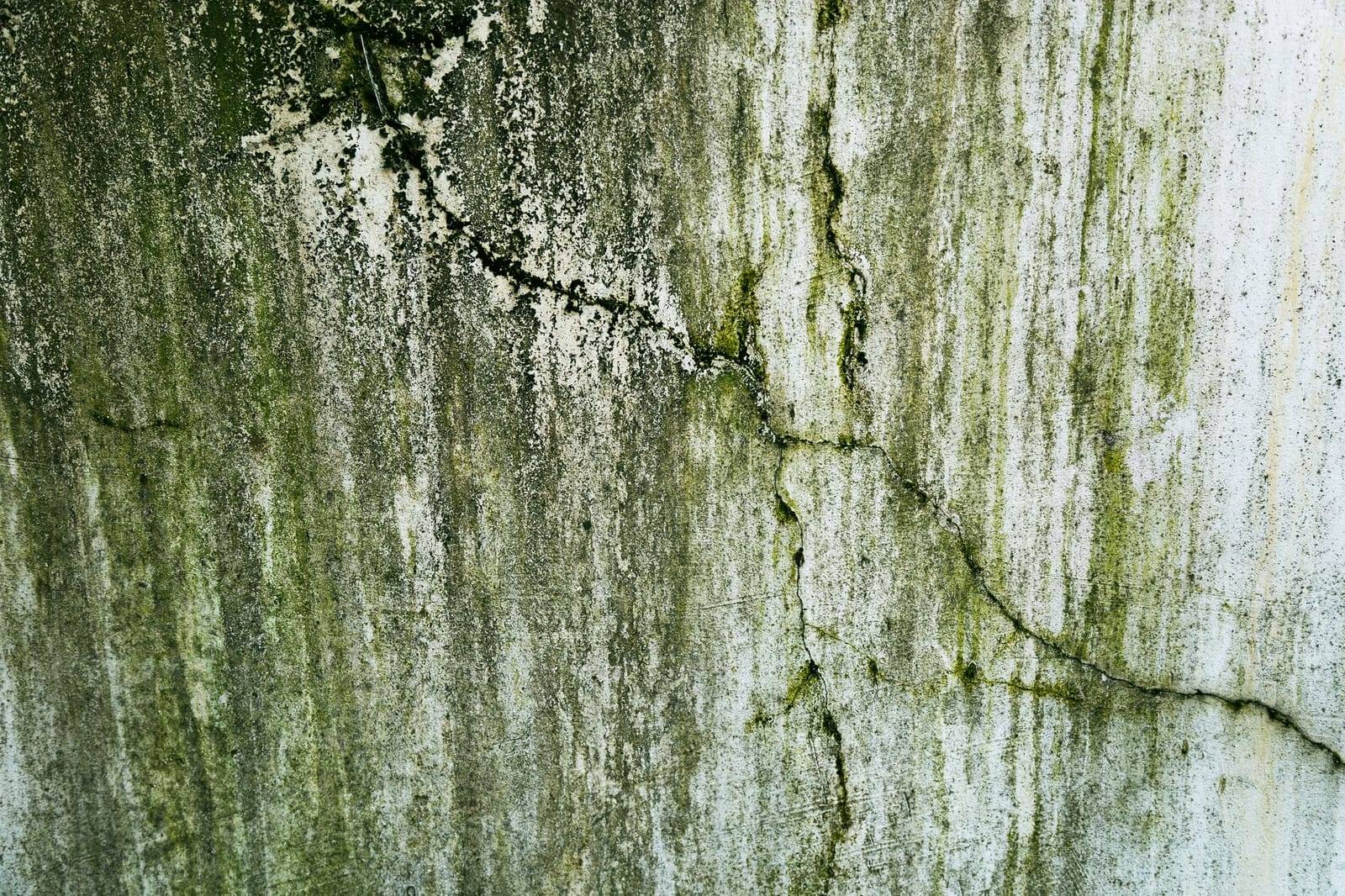
Common signs of crawl space moisture
- A musty or moldy smell inside the house
- Wet, sagging or fallen insulation under the floor
- Condensation on ducts, pipes or the underside of the floor
- Standing water on the soil or on top of the plastic ground cover
- Rust on metal in the crawl space. EPA notes rust is an indicator that condensation is happening.
Where the water comes from
- The ground. Bare soil gives off moisture. This is what a vapor barrier is meant to stop.
- Humid outdoor air. In a vented crawl space, outside air comes in through the vents.
- Leaks. Plumbing leaks, and air conditioning drip pans or drain lines that are clogged or disconnected.
- Rainwater outside. Gutters that overflow and ground that slopes toward the house. EPA advises keeping gutters clean and making sure the ground slopes away from the foundation. North Carolina's closed crawl space code also requires site grading that drains water away from the foundation.
Why Raleigh summers can make it worse
Raleigh's humidity peaks in late summer. NOAA's 1991–2020 normals for Raleigh-Durham airport show average relative humidity of 76% in July, 77% in August and 78% in September. Early-morning averages are about 89% to 92% in those months. The average July dew point is about 70.6°F. When that air reaches a surface cooler than its dew point, like a cold supply duct, water condenses on it.
What you can safely check yourself
- Outside first. Look for clogged gutters, downspouts dumping next to the foundation, and soil sloping toward the house.
- Inside the house. EPA recommends keeping indoor humidity below 60%, ideally 30% to 50%. A small humidity meter from a hardware store can tell you where you are.
- At the crawl space door. Look in with a flashlight for standing water, torn plastic or fallen insulation.
Don't go into a crawl space with standing water near wiring, or if you see signs of animals. Leave that to a professional.
Which inspection do you need?
A home inspection, a termite (WDIR) report, a structural evaluation and a contractor's moisture assessment each cover different things, and none covers everything. See types of crawl space inspections.
When to call a crawl space contractor
Call a contractor when the problem is the crawl space itself: missing or torn ground cover, water collecting on the floor, open vents letting in humid air, or a sealed crawl space whose dehumidifier isn't keeping up. Ask them to explain whether a repair, a new ground cover or a full encapsulation fits.
When to call someone else
- Mold cleanup. EPA says that if the moldy area is less than about 10 square feet, in most cases you can handle it yourself following its guidelines. If there's been a lot of water damage, or mold covers more than 10 square feet, EPA points to its more detailed remediation guidance. If you hire someone, EPA says to make sure they have experience cleaning up mold and to check references.
- Hidden mold. EPA says you may suspect hidden mold if a building smells moldy but you can't see the source. In that case, consider hiring an experienced professional.
- Sewage or contaminated water. EPA says to call a professional experienced in cleaning buildings damaged by contaminated water.
- Ducts. EPA advises not running an HVAC system you know or suspect is contaminated with mold, because it could spread mold through the building.
- Leaks. A plumber for pipes. An HVAC technician for condensate and drain lines.
EPA also notes that the water or moisture problem must be fixed before any mold cleanup can be considered finished. That's where crawl space work fits in.
Keep reading
Raleigh Crawl Space Guide is an independent informational and referral site about crawl spaces in Raleigh, Cary and Durham, NC. It does not perform crawl space work and is not a contractor. It's general information, not professional advice. Confirm code and permit requirements with your local inspections office.
Sources: EPA: A Brief Guide to Mold, Moisture and Your Home · NOAA NCEI, KRDU Local Climatological Data, 1991–2020 normals · NC Residential Code R409.4 (2018), as published by Johnston County
Last reviewed: 2026-10-26