Crawl Space Dehumidifiers in Raleigh
If you seal a crawl space, you also have to give it a way to dry out. In North Carolina that isn't optional: the residential code says a closed crawl space "shall be provided with a mechanical drying capability." A dehumidifier is the option most people think of, but it's one of five.
Why a closed crawl space needs moisture control
Sealing the vents and covering the ground cuts down on incoming moisture, but it doesn't remove what's already in the air or what gets in later from leaks or humid air. Raleigh summers are humid. NOAA's normal relative humidity at Raleigh-Durham airport averages 76% to 78% from July through September. The drying method keeps that moisture from building up.
The five options in North Carolina's code
Section R409.5 lists these methods. At least one is required, and combinations are allowed.
- Dehumidifier. A permanently installed unit rated for at least 15 pints per day. Its condensate drains to daylight or to an interior condensate pump, and it needs an electrical outlet.
- Supply air. Air from the home's air conditioning system is ducted into the crawl space at 1 cubic foot per minute (cfm) for every 30 square feet of floor. The supply duct needs a backflow damper, and there can't be a return duct from the crawl space.
- House air. A continuous-duty fan blows house air into the crawl space at 1 cfm for every 50 square feet. No return duct is allowed.
- Exhaust fan. A continuous-duty fan pulls crawl space air outside at 1 cfm for every 50 square feet.
- Conditioned space. The crawl space is designed as heated and cooled space, with insulation on the walls.
Each option has trade-offs, and which one fits depends on your house and HVAC system. Ask the contractor why they're recommending one over the others.
How dehumidifiers are sized
The code sets only the 15-pint-per-day minimum. Beyond that, sizing depends on things like crawl space area and height, how well it's sealed, and whether water is still getting in. A contractor should explain the size they're proposing and why.
Drainage: condensate pump or gravity drain
A dehumidifier makes water, and that water has to go somewhere. The code says condensate goes to daylight or to an interior condensate pump, and that drains must not discharge water into the crawl space.
Power and permits
A permanently installed dehumidifier needs its own electrical outlet. According to North Carolina's Office of State Fire Marshal, every one of the five drying options involves adding or changing mechanical or electrical equipment. That's why converting a vented crawl space to a closed one needs a permit regardless of cost. The single permit includes building, mechanical and applicable electrical inspections.
Maintenance after encapsulation
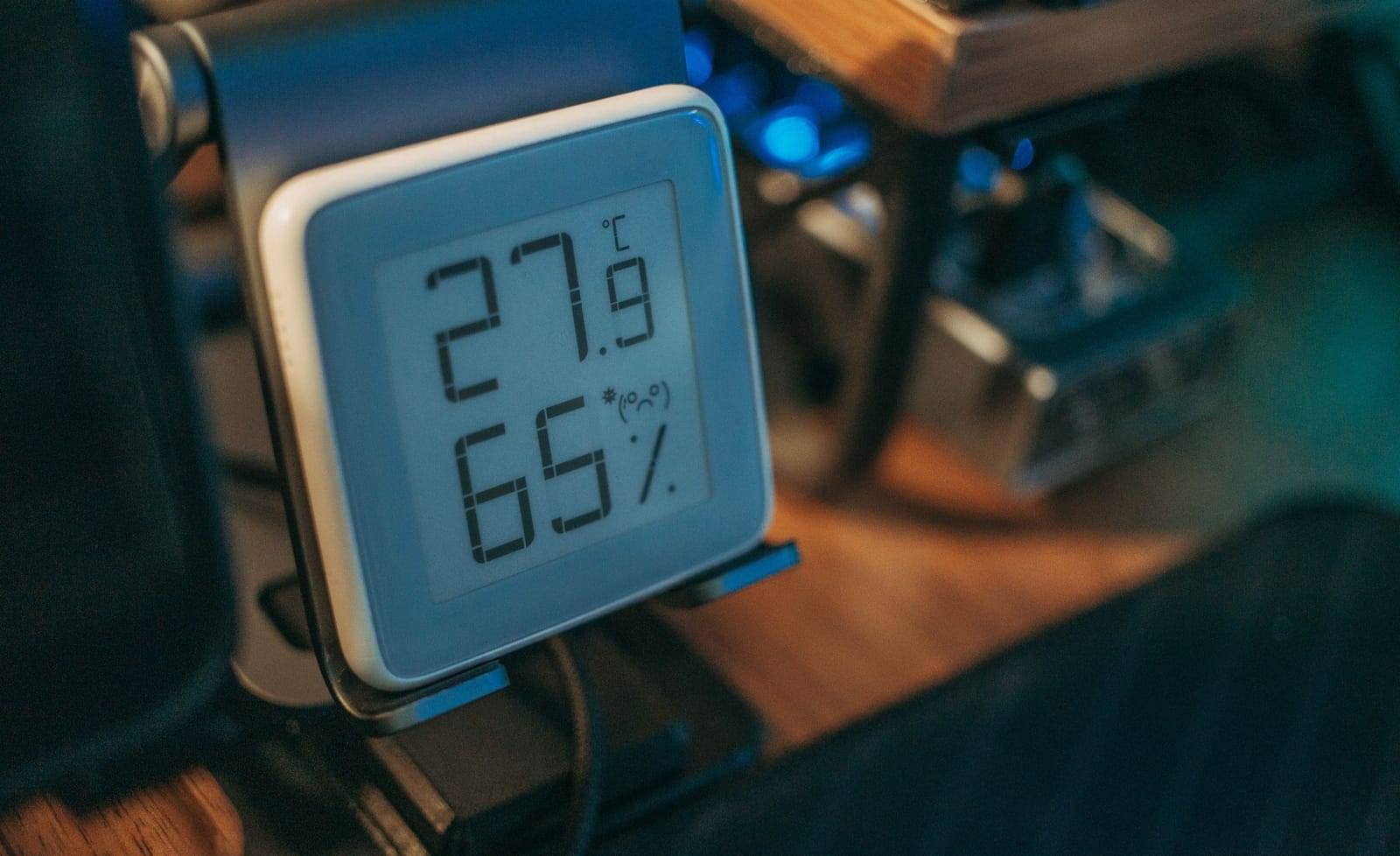
A humidity meter lets you see whether the system is keeping up. EPA notes these are small, inexpensive instruments sold at many hardware stores. EPA's general guidance for homes is to keep indoor humidity below 60%, ideally between 30% and 50%. That guidance is for living spaces, not a specific crawl space target, so ask your contractor what reading they're aiming for and why. Follow the manufacturer's instructions for filters and service.
A simple routine for a sealed crawl space, based on what the code and EPA call for:
- Check the condensate drain or pump. Water must go to daylight or to a pump and not back into the crawl space.
- Look at the ground cover for tears, loose seams or water sitting on top.
- Keep the termite inspection gap clear. NC code requires a 3–4 inch gap between the top of a wall liner and the wood sill so termite inspectors can see it. Don't let stored items or new materials cover it.
- Keep the access door closed and latched. The code calls for a tight-fitting, latching door.
- Keep gutters clean and the ground sloping away from the foundation, as EPA advises.
- Keep AC drip pans and drain lines clean and flowing, which EPA also recommends.
Signs a dehumidifier isn't keeping up
- A musty smell coming back, especially in summer
- Condensation on ducts or pipes
- Water on top of the ground cover
- The unit running constantly or a drain line that's clogged or disconnected
If you see these, read about what causes crawl space moisture before you assume the unit is the problem.
Common questions
Does a sealed crawl space need a dehumidifier?
It needs a mechanical drying method. North Carolina's code allows five, and a dehumidifier is one of them. At least one is required in a closed crawl space.
How big does a crawl space dehumidifier have to be?
The code minimum is a rated capacity of 15 pints per day. The right size for your crawl space depends on its size, how airtight it is and how much water gets in, so ask the contractor to explain their sizing.
Keep reading
- How a closed crawl space works, step by step
- How to choose a contractor and read a warranty
- What encapsulation costs
Raleigh Crawl Space Guide is an independent informational and referral site about crawl spaces in Raleigh, Cary and Durham, NC. It does not perform crawl space work and is not a contractor. It's general information, not professional advice. Confirm code and permit requirements with your local inspections office.
Sources: NC Residential Code R409.5 (2018), as published by Johnston County Building Inspections · NC OSFM interpretation 106.1, Dec. 11, 2025 · NOAA NCEI, KRDU Local Climatological Data · EPA: A Brief Guide to Mold, Moisture and Your Home
Last reviewed: 2026-10-26