Types of Crawl Space Inspections
Several different professionals may look under your house, each for a different reason. Knowing what each report covers, and what it leaves out, helps you avoid gaps.
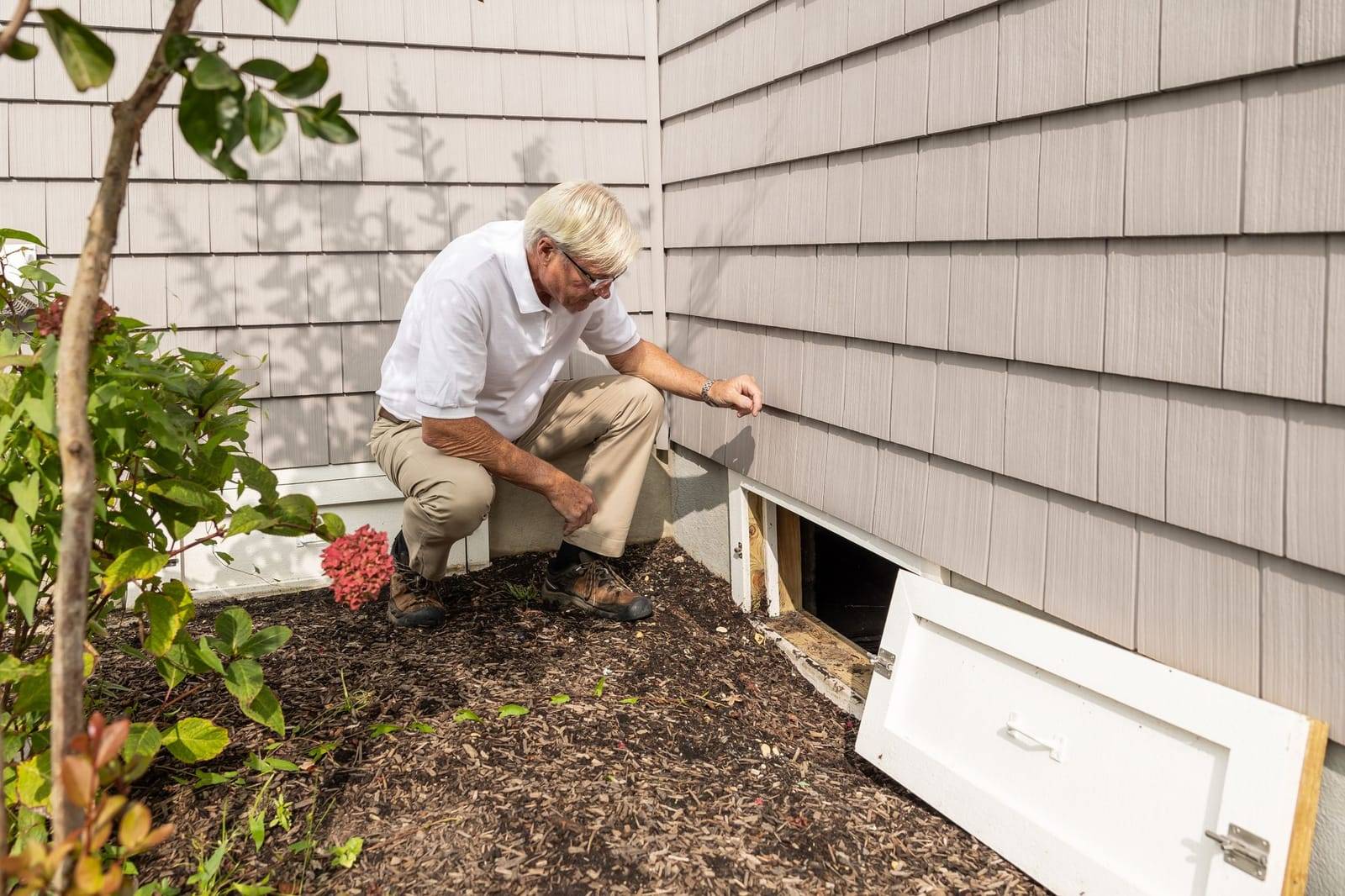
At a glance
| Inspection | Who does it | What it covers | What it doesn't |
|---|---|---|---|
| General home inspection | NC-licensed home inspector | Under NC's home inspector standards of practice, the inspector must enter the crawl space unless access is obstructed, entry could damage property, or conditions look dangerous. They must report access locations, any areas they couldn't reach, how they inspected, and signs of abnormal water penetration or condensation. They also probe structural parts where deterioration is suspected. | NC rules say home inspections aren't "technically exhaustive." Inspectors aren't required to report on pests, mold or code compliance, or to calculate structural adequacy. |
| Wood-destroying insect report (WDIR-100) | A person licensed by (or working for a licensee of) NCDA&CS Structural Pest Control | The official NC form for reporting wood-destroying insects in homes being sold. It must report visible evidence and "conditions conducive" to subterranean termites, including wood touching soil, cellulose debris and excessively wet wood in the crawl space. | NCDA&CS says it isn't a warranty or a structural damage report, and it doesn't cover wood rot or wildlife. |
| Structural evaluation | Structural engineer, contractor or other building expert | NCDA&CS says evaluating structural damage "should be left to a structural engineer, contractor or other building expert." | — |
| Moisture or encapsulation assessment | Typically a crawl space contractor preparing an estimate | NC rules let licensed general contractors inspect the homes they're preparing estimates for without a home inspector license. Ask what they measured and photographed. | This is part of a sales estimate, not a regulated inspection report. |
| Permit inspections | Raleigh, Cary or Durham building inspectors | When a vented crawl space is converted to a closed one, OSFM says the single permit includes building, mechanical and applicable electrical inspections. | — |
General home inspection
NC-licensed home inspectors follow standards of practice set by state rule (effective June 1, 2026). In the crawl space, the inspector must:
- Enter it, unless access is obstructed, entry could damage the property, or conditions look dangerous
- Report where the access is, whether the crawl space was fully accessible or which areas weren't, and how it was inspected
- Report signs of abnormal or harmful water penetration or condensation
- Probe structural parts where deterioration is suspected
Limits: state rules say home inspections are "not technically exhaustive." Inspectors aren't required to report on wood-destroying organisms or other pests, mold or other hazardous substances, or code compliance, and they don't calculate structural adequacy. Read the report's list of areas that weren't accessible.
Wood-destroying insect report (WDIR-100)
The NC Wood-Destroying Insect Information Report is the official state form for reporting wood-destroying insects in homes being sold. According to NCDA&CS:
- It must be issued by someone licensed by the Structural Pest Control Division, or working for a licensee.
- It must report visible evidence of wood-destroying insects and conditions conducive to subterranean termites. At minimum, that includes wood in contact with soil, cellulose debris under the house and excessively wet wood in the crawl space.
- Inspectors must list areas that weren't accessible.
- It is not a warranty and not a structural damage report, and it doesn't cover wood rot or wildlife.
- If treatment is done along with the report, the written agreement and any warranty must be attached.
Structural evaluation
If wood damage, sagging floors or failing piers are found, NCDA&CS says evaluating structural damage "should be left to a structural engineer, contractor or other building expert." A written report from that expert can be attached to the WDIR. See the crawl space repair guide for what's involved.
Moisture or encapsulation assessment
A crawl space contractor preparing an estimate will usually look at moisture, drainage, the ground cover and insulation. NC rules let licensed general contractors (and architects and engineers) inspect homes they're preparing estimates for without a home inspector license. Treat it as part of an estimate, not a regulated report, and ask what was measured and photographed. See how to choose a crawl space contractor.
Permit inspections
OSFM requires a permit for any closed crawl space conversion, whatever it costs. The single permit includes building, mechanical and applicable electrical inspections by Raleigh, Cary or Durham inspectors. Timing details are on the encapsulation page the Cary page and the Durham page.
Keep reading
Raleigh Crawl Space Guide is an independent informational and referral site about crawl spaces in Raleigh, Cary and Durham, NC. It does not perform crawl space work and is not a contractor. It's general information, not professional advice. Confirm code and permit requirements with your local inspections office.
Sources: NC Home Inspector Licensure Act and Board Rules (OSFM), eff. June 1, 2026 · NCDA&CS WDIR-100 memorandum · NC OSFM interpretation 106.1
Last reviewed: 2026-10-27